
When India started to ease pandemic regulations in late 2021, tourist visas were limited to just 30 days – which is barely enough time to catch your breath. I obtained a year-long student visa to study Tibetan Buddhism in Dharamshala, the heart of Tibetan exile world in India.

I just have to get there first.
From Rishikesh, I catch an evening train to Pathankot when I’m roused from my sleep. The conductor says I only have a reservation for half of the berth I’m laying on. He folds it into an L-shaped seat and I spend the seven hours sleepless, knee to knee with two others.
At 3 a.m., I arrive in Pathankot. The station is empty, save for a few arriving passengers and smattering of tuk tuk drivers. I need to get to the local bus station across town. I manage to find a shared tuk tuk going that way and pile in for a jaunt across the sleeping city – with 10 other men and a small mountain of luggage on the roof.


The local buses are lumbering but reliable, and completely battered to hell. The battle scars are a testament to the anarchy of the Indian roadway with the added challenge of the Himalayan terrain. Scrapes and collisions are patched over with welded scrap metal or sometimes just a coat of paint, until the outside of a bus looks something like paper mache. It’s akin to riding around in an aluminum can that’s been crumpled and hastily re-straightened.
The first bus rolls out at 5 a.m. – a good third of it already occupied by cargo. A metal seat frame protrudes under me through worn upholstery and a steady stream of icy air blasts through a window that won’t shut. At least it’s too early to be crowded. Only four hours, I tell myself. When it starts to get light, I can make out the first of the snow-capped Himalayas.
The last leg of my trip is a city bus from Dharamshala up to the suburb of McLeod Ganj. Finally, I can grab a cup of coffee and a hot shower. In a cruel irony, I arrive at my hotel to find they won’t honor my reservation because the rate listed online is too low.
Indian travel is a beast.
McLeod Ganj
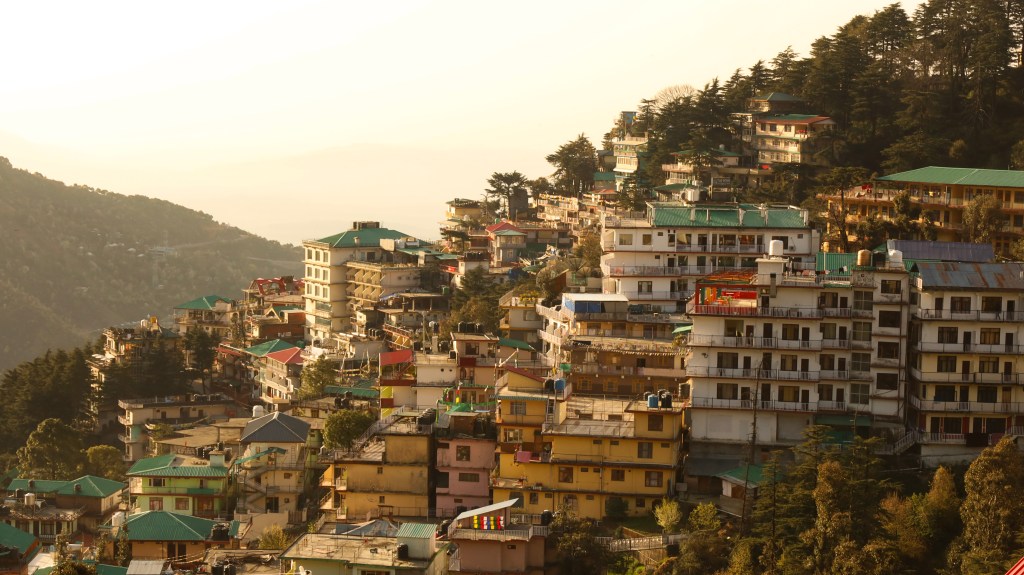
It’s cool, crisp and bright when I arrive. Dharamshala proper sits on a valley floor. Just behind it, mountains rise precipitously – foothills to the Himalayas – carpeted in jade with deodar cedar. McLeod Ganj is a vibrant area known as “Little Lhasa” because of its large Tibetan community. It’s home to the Dalai Lama and the seat of the Tibetan government-in-exile.
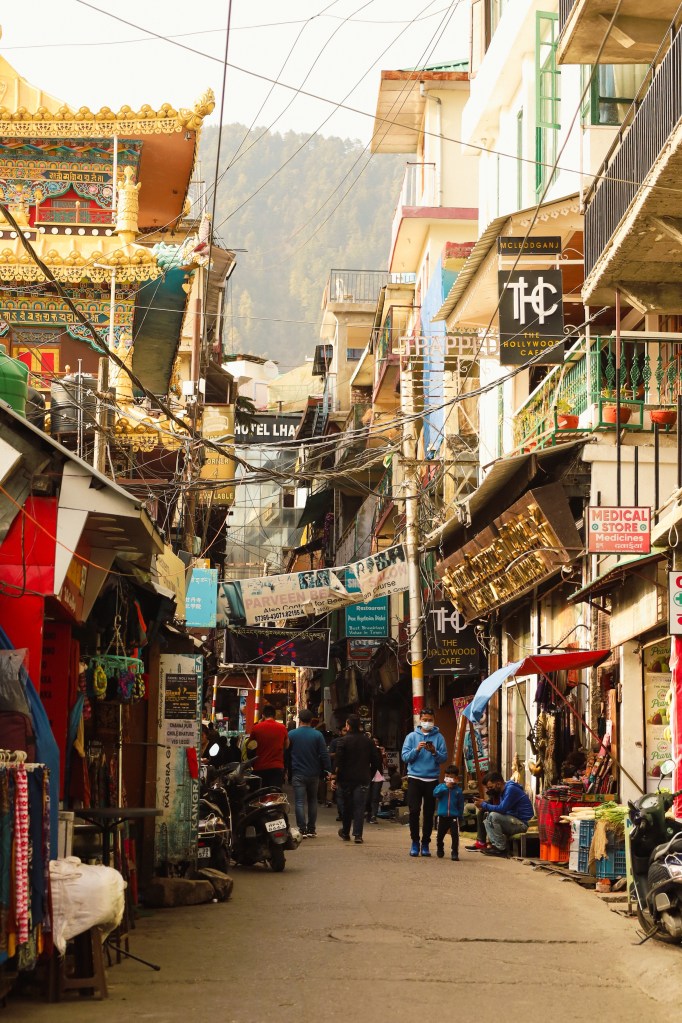
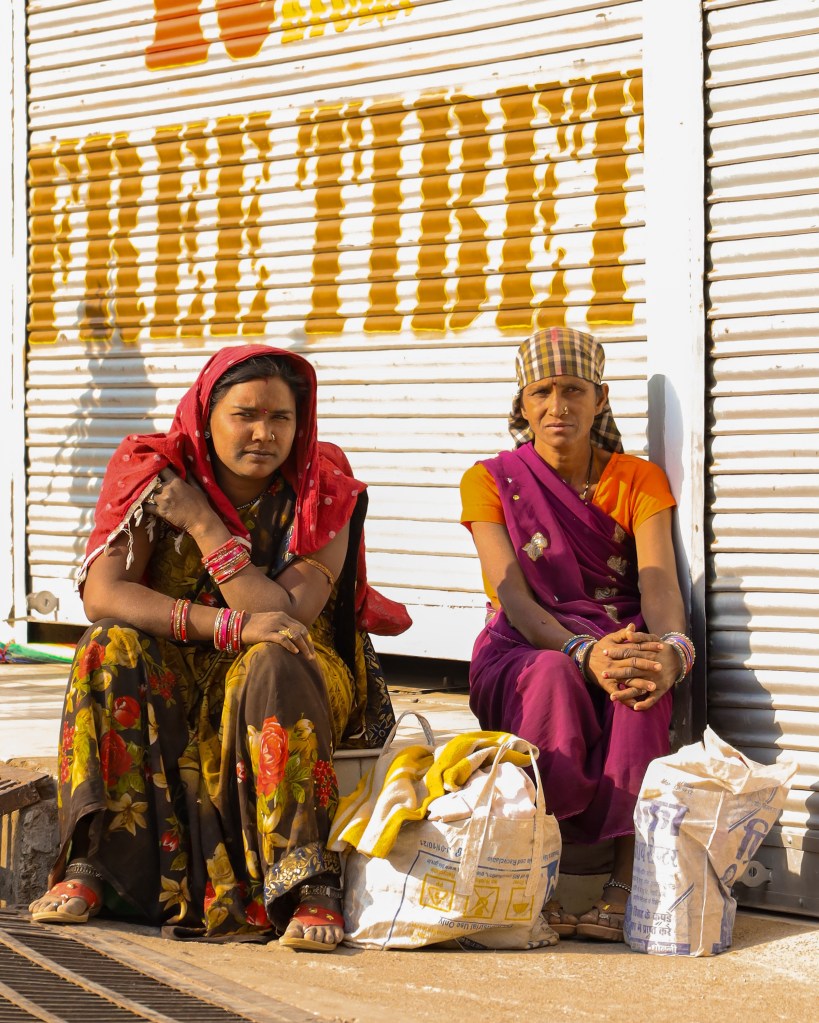
The streets of McLeod are bustling. There’s a cacophony of horns as vehicles jostle through narrow roadways between vegetable stalls and jewelry vendors. Nearby, shops sell singing bowls, tibetan prayer flags, and mala beads to Buddhist pilgrims.
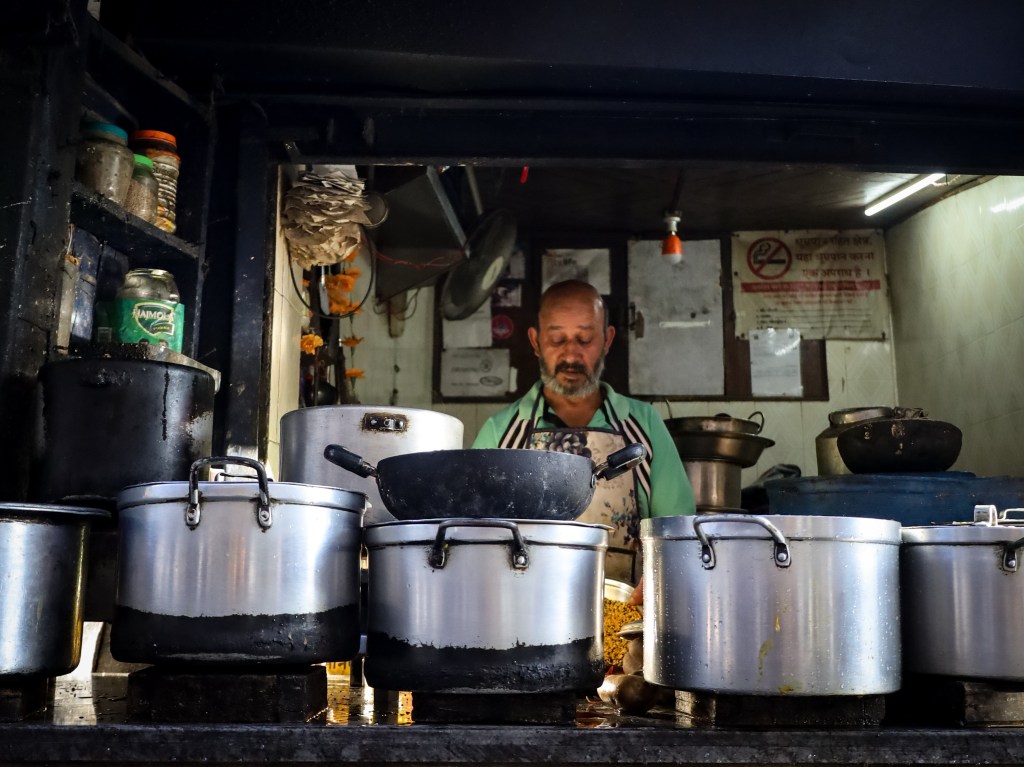
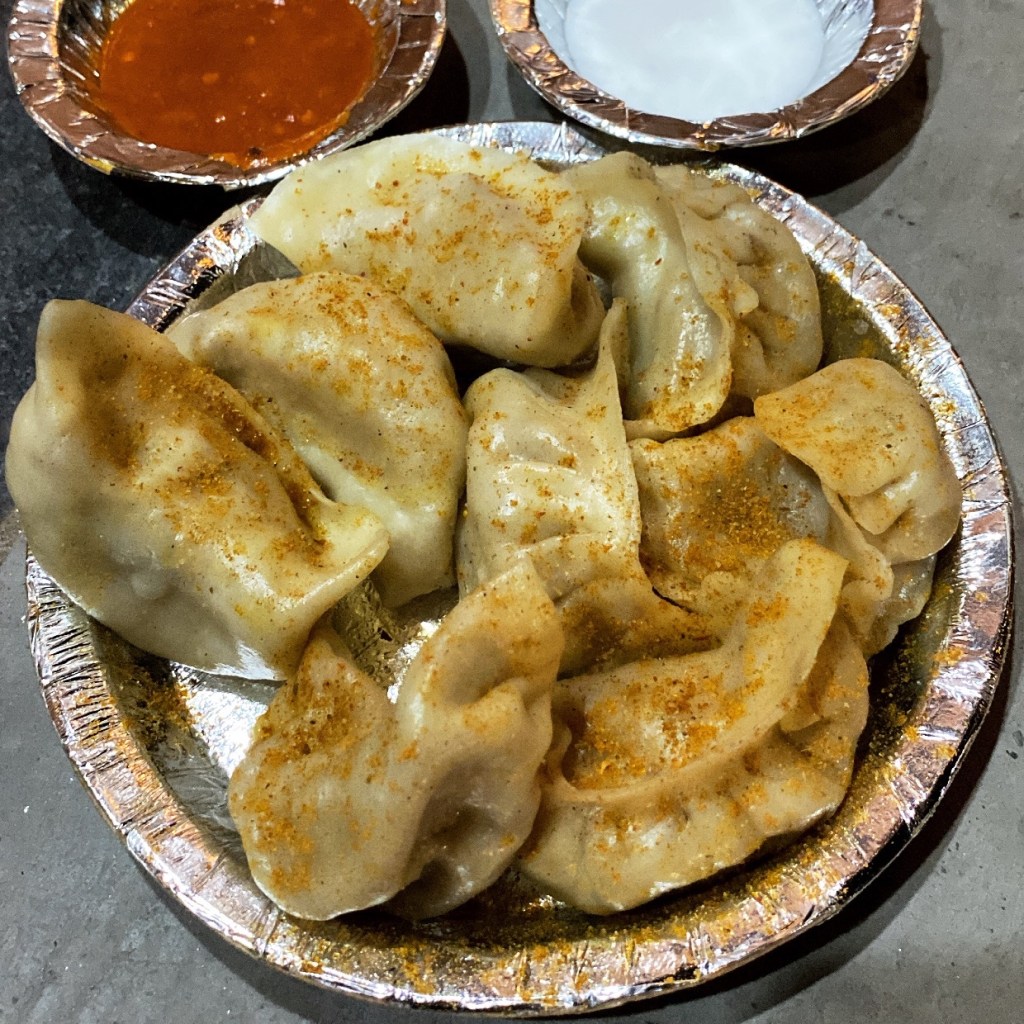
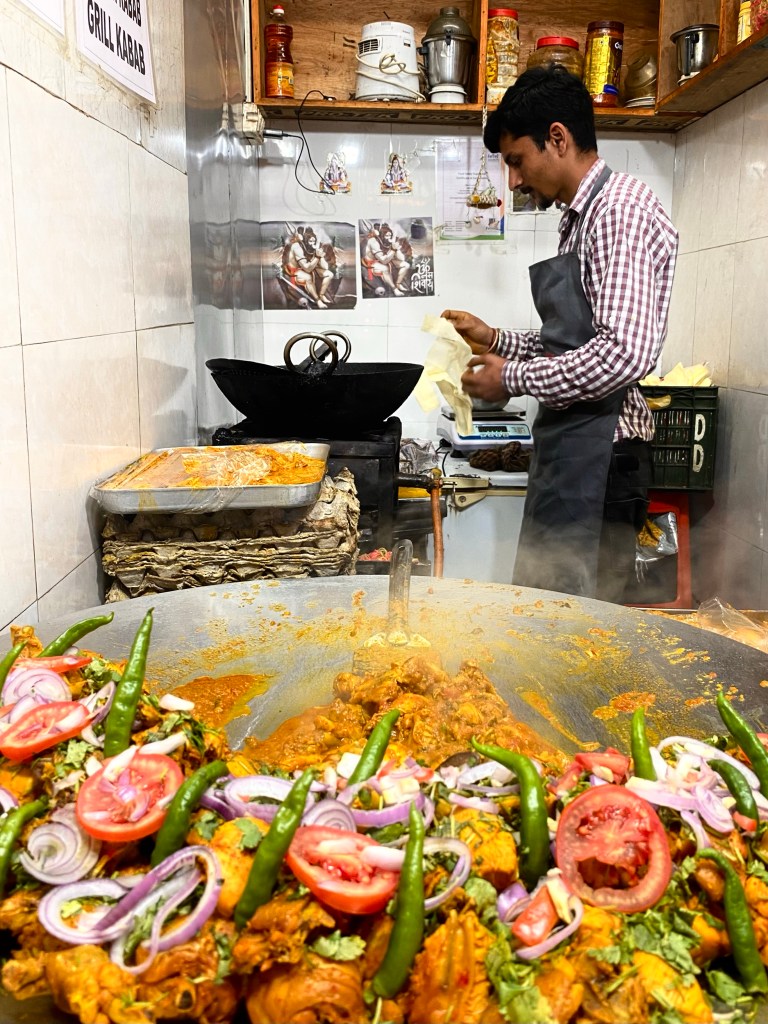
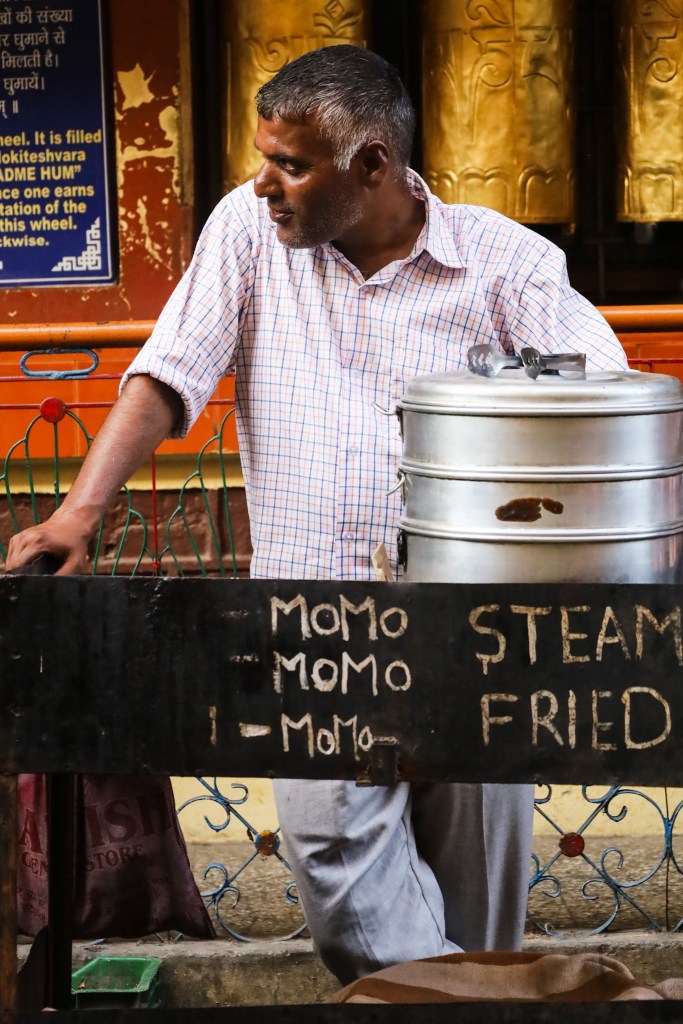
You can slurp thentuk at a Tibetan Cafe or grab a thali from a Punjabi dhaba. Just outside of the Kalachakra Temple in the main square, there’s a whole line of momo stands. For less than a buck, you can get a plate full – fried or steamed. There are spinach pakoras and samosa chaat and little alcoves with huge pans of simmering chicken.


Monks gather at outdoor tables over ginger lemon tea. Laymen walk the streets with strands of mala beads at their fingertips and Tibetan women wear brightly colored aprons that indicate their marital status.

“FREE TIBET” is stenciled on buildings facades and the Tibetan mantra, Om Mane Padme Hum, just about everywhere else: painted on rock faces, emblazoned on t-shirts, and set to music to be looped endlessly from gift shops.


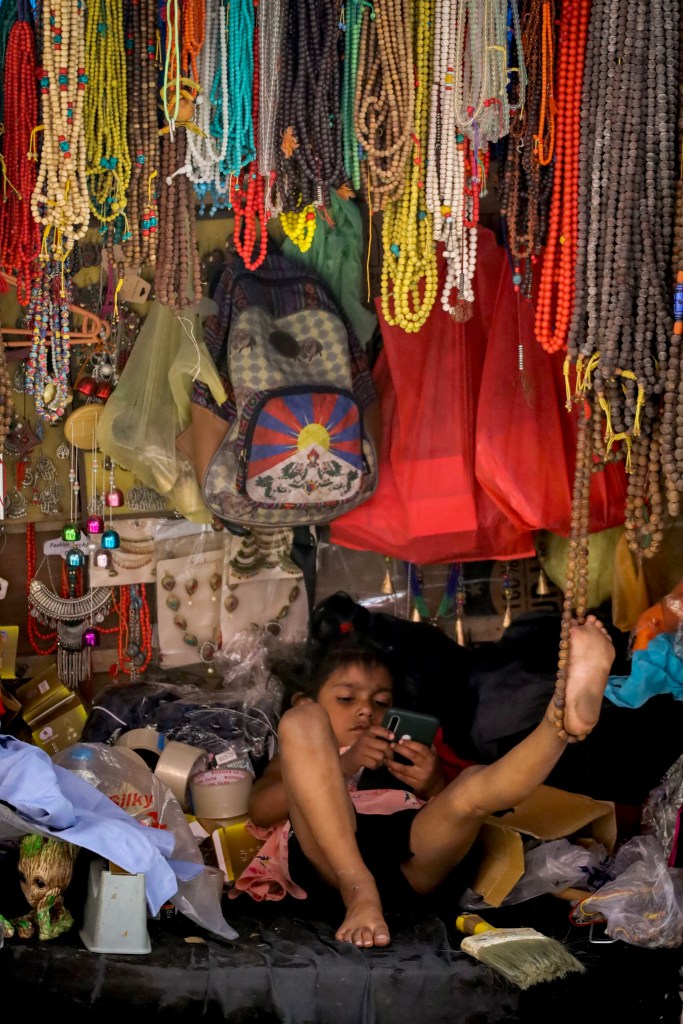
The nucleus of McLeod Ganj is the Tsuglagkhang Complex. Located on a promontory at the southern tip, it’s a holy site for the throngs of Buddhist pilgrims that visit here every year. There’s a Tibetan museum and monastery, but most importantly, it’s the home and temple of His Holiness the Dalai Lama.
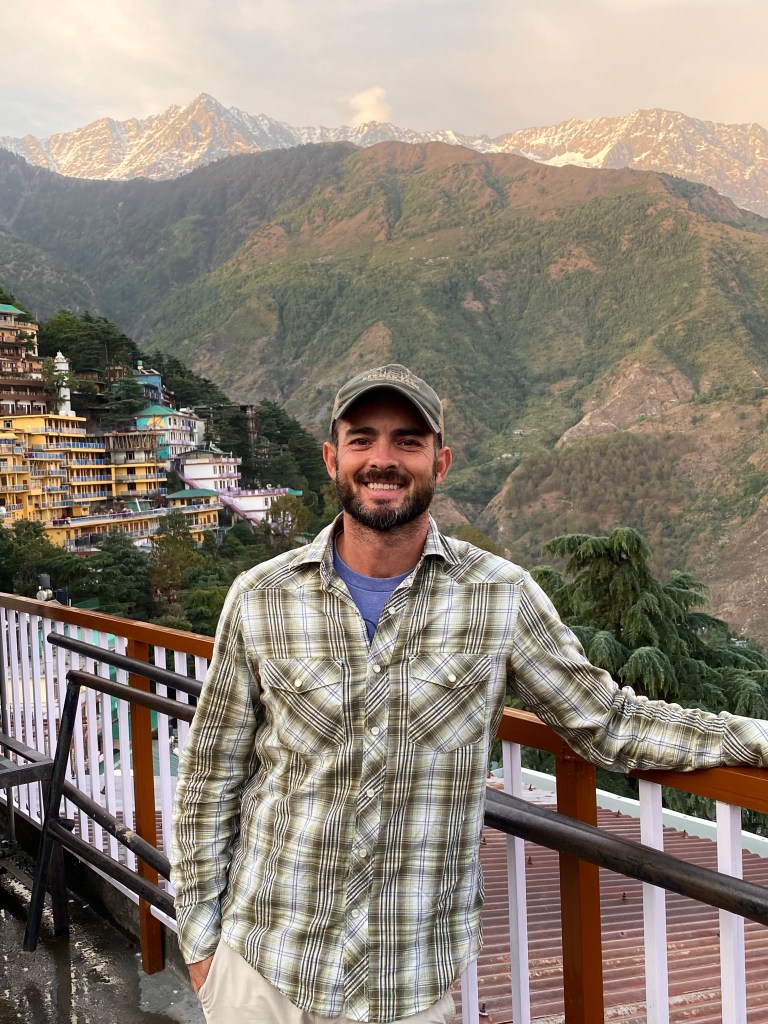
The temple itself is more utilitarian than aesthetic. There are some statues and shrines, but it’s no Vatican. It’s built for functionality: to accommodate the thousands who gather to hear the teachings. It’s open and airy on a normal day, but when a teaching is delivered, every inch is occupied.

In the early evening, you can visit the Dalai Lama’s temple and see young monks engaged in rigorous debate. Debating is an essential part of the training of Tibetan monks. Traditionally, a challenger and a defender volley back and forth on some key point of Buddhist philosophy. Points are emphasized with elaborate hand gestures, handclaps, and foot stomps. Even though it’s all done in Tibetan, it’s high energy and lots of fun to watch.


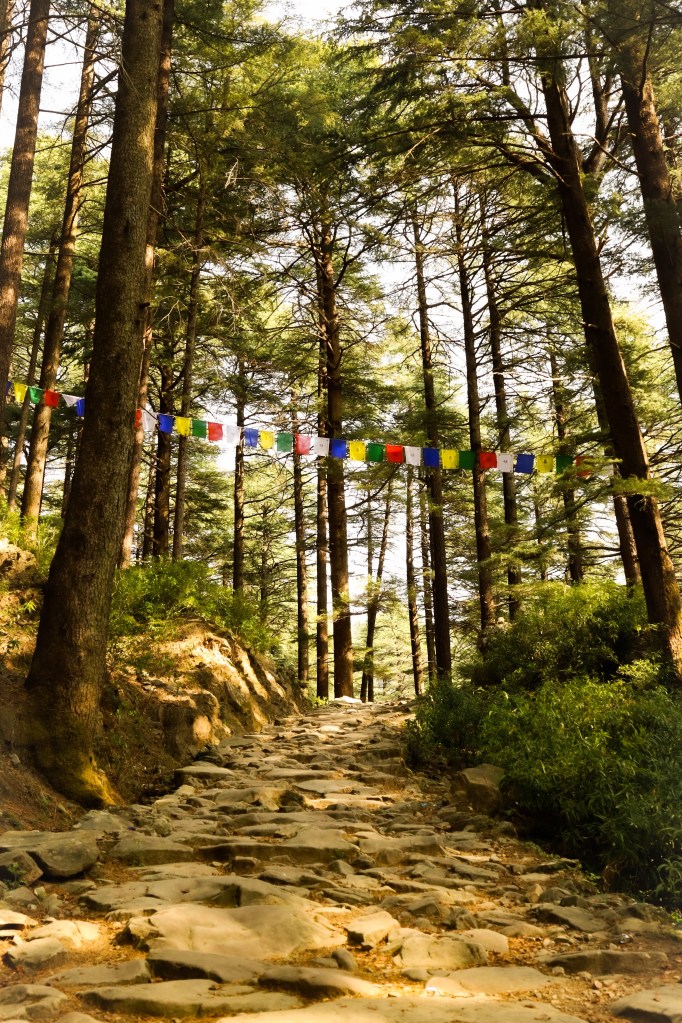
The whole complex is ringed by the Kora. A Kora is a circular meditative path. The practice is to circumambulate a sacred site or object in a clockwise direction. This Kora is modeled on one around Potala Palace in Tibet. It passes through a forested area lined with prayer wheels, stones painted with the Om Mani Padme Hum, and thousands upon thousands of prayer flags.
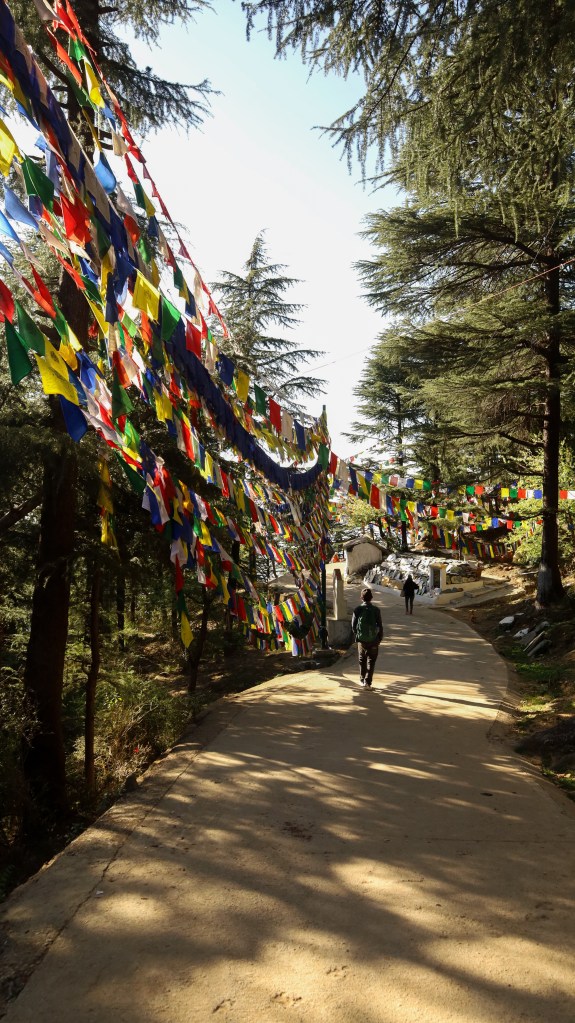
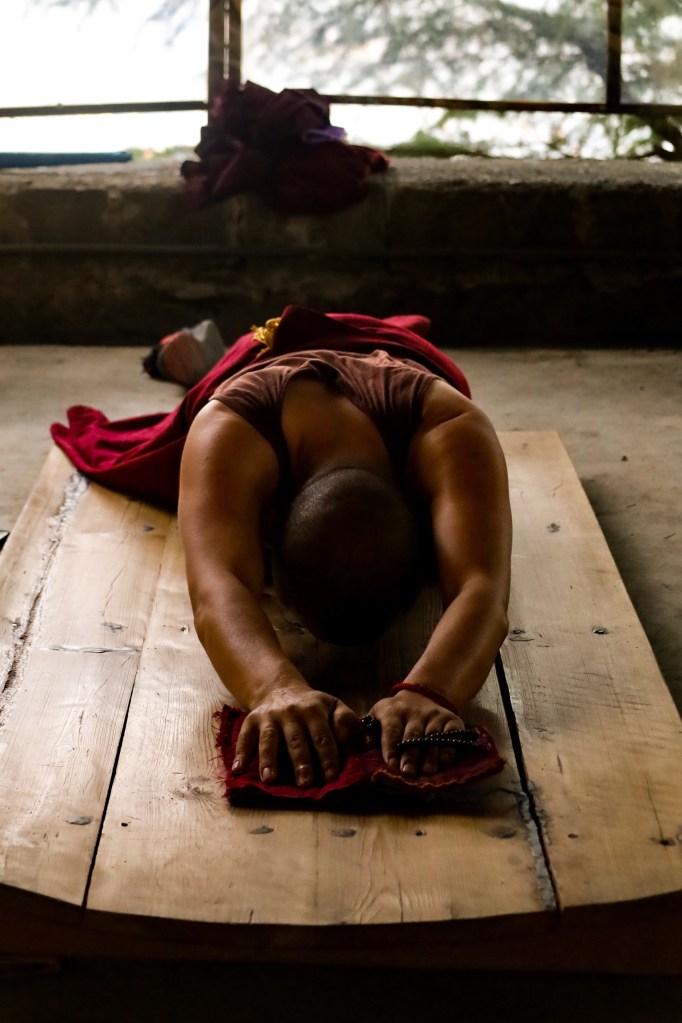
There are stupas and an area where the monks practice full body prostrations on wooden planks. It’s not all solemn religiosity though. You’ll find people doing their morning exercise, walking together in sociable groups, or just relaxing on the benches and enjoying the view. My friends and I like to walk the kora after our Buddhism class, often having spirited debates of our own.
A Birthday Teaching and a God-wink
Six days after I arrive in Dharamshala, the Dalai Lama gives a teaching. It’s his first public teaching in more than two years – since before the pandemic. It also happens to be my birthday.
A day or two in advance, they allow you to save a spot in the temple. People place large sections of cardboard, yoga mats, or foam padding with their names affixed. I have only a spare bath towel, but I lay it in a spot within view of the Dalai Lama’s massive chair.

In the morning, I leave before first light. The lines are long and the security check is intense. I sit just behind rows of maroon-clad monks, amid a sea of Tibetans. The teachings are delivered in Tibetan and simulcast in 10 different languages. Unfortunately, I didn’t get a transistor radio in time for this teaching.
At 7:30 a.m., the chanting begins as a low rumble. It’s a guttural, almost otherworldly sound, particular to the Tibetan tradition. There’s a stirring at the back of the crowd as procession begins. Monks in tall, yellow-plumed hats lead the way. Others play long Tibetan horns. The crowd presses in and the chants increase in tempo and spirit.

And then I catch sight of the Dalai Lama. He looks a little older and a little frailer than I expected. Monks on either side hold him up to walk the short distance through the crowd. Once seated though, he’s quite animated. It’s obvious that whatever effects aging has had on his body, his mind is still very nimble.
I’m at a loss as to what’s actually being said during the talk, but his broad smile and belly laugh are the same in any language. You can feel that you’re in the presence of a great being.
I’m the only foreigner in my section and the people around me treat me as their guest. A man offers me a piece of foam as a cushion and a woman helps me fold my hands into their complex prayer mudra. Others share their snacks and the grains of rice to be used as offerings. They wave me forward to catch the best views and make sure I get a cup of the the buttery milk tea that the novice monks pass around.
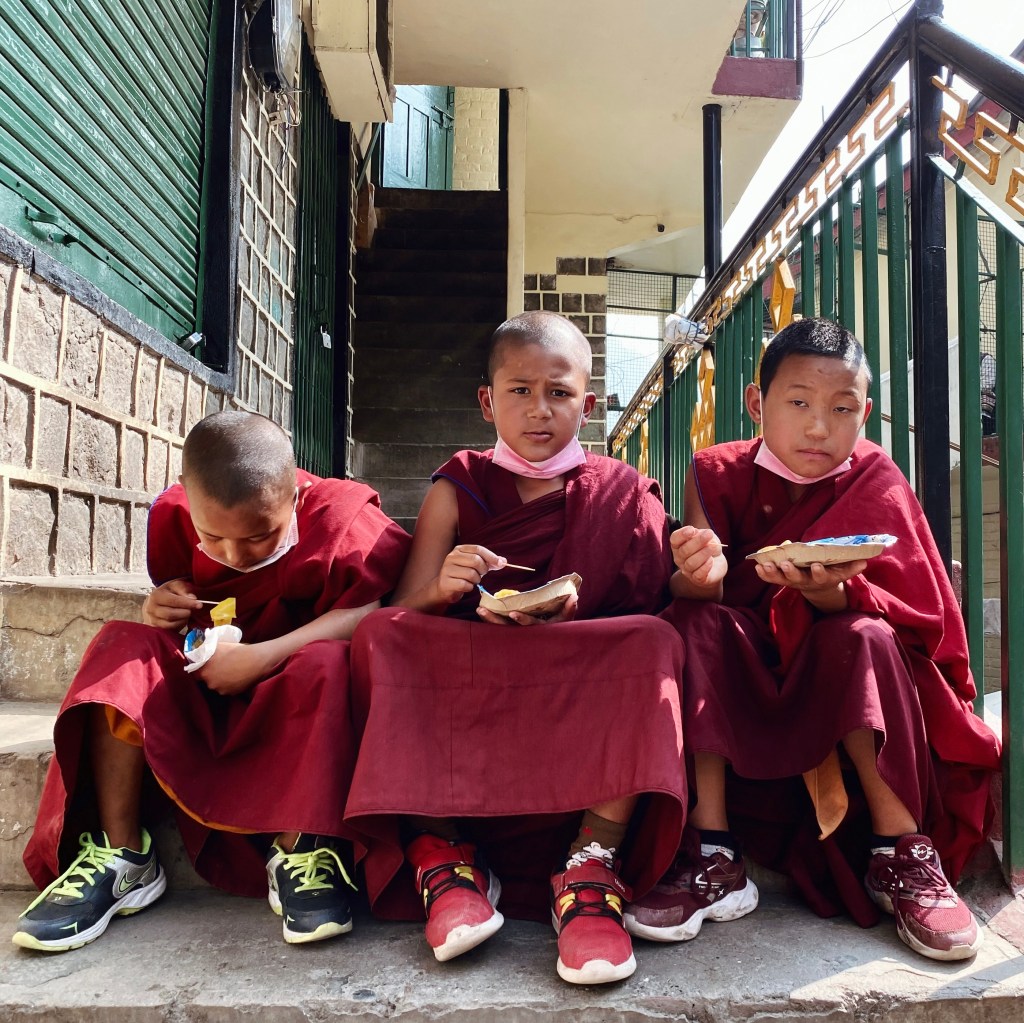
After tea, the monks hand out rice studded golden raisins. When they reach my section though, there’s only one dish left. A woman behind me receives it and immediately pushes it towards me. I try to decline, but she insists. I feel a little embarrassed, eating it while the others go without, especially since I’m the only white guy. But I also feel so much gratitude for the kindness of these strangers.

When I finish the rice, I see that festooned on the bottom of the little paper dish are a bunch of birthday balloons!
A definite “God wink”.
I came to hear a teaching from the Dalai Lama, but the true lesson in generosity is taught to me by his followers.
I have the good fortune to hear the Dalai Lama teach several more times over the following months, but none is quite so poignant as the generosity and synchronicity I experienced on my birthday.

I spend a month in Mcleod Ganj and rent a lovely apartment in a pine shaded valley. Every morning, I walk a mile down the mountain to my class at the Library of Tibetan Works and Archive. In the afternoons, I walk to Bhagsu Nag to practice Ashtanga yoga on a rooftop overlooking the valley.

Spring is beautiful here. I traverse the forested trails as the rhododendrons explode and splash the hills in bursts of crimson. I watch waterfalls form straight from glacier melt and I climb Triund to spend a chilly night under a blanket of stars.
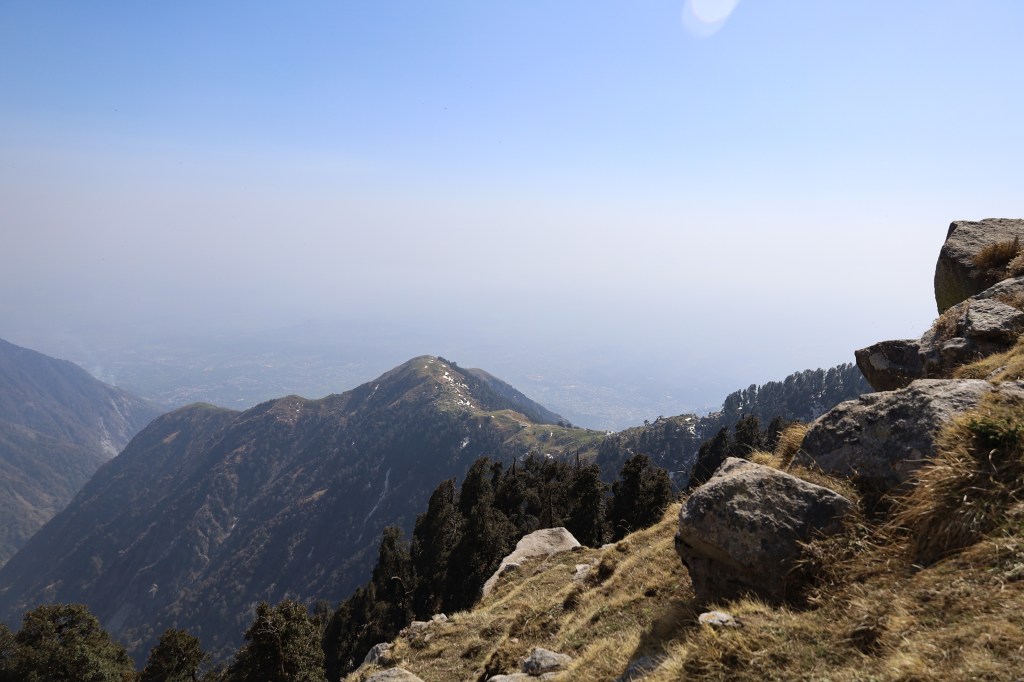
My apartment is great, but there are 260 stairs between myself and the amenities on the main road. Just stepping out the door is a serious endeavor. I give up my morning class in favor a smaller, more intimate group in the afternoons and decide to make a move.


McLeod has a great pulse but it’s more of a city than a community. The nearby villages of Dharamkot and Bhagsu Nag are more my speed.
Dharamkot
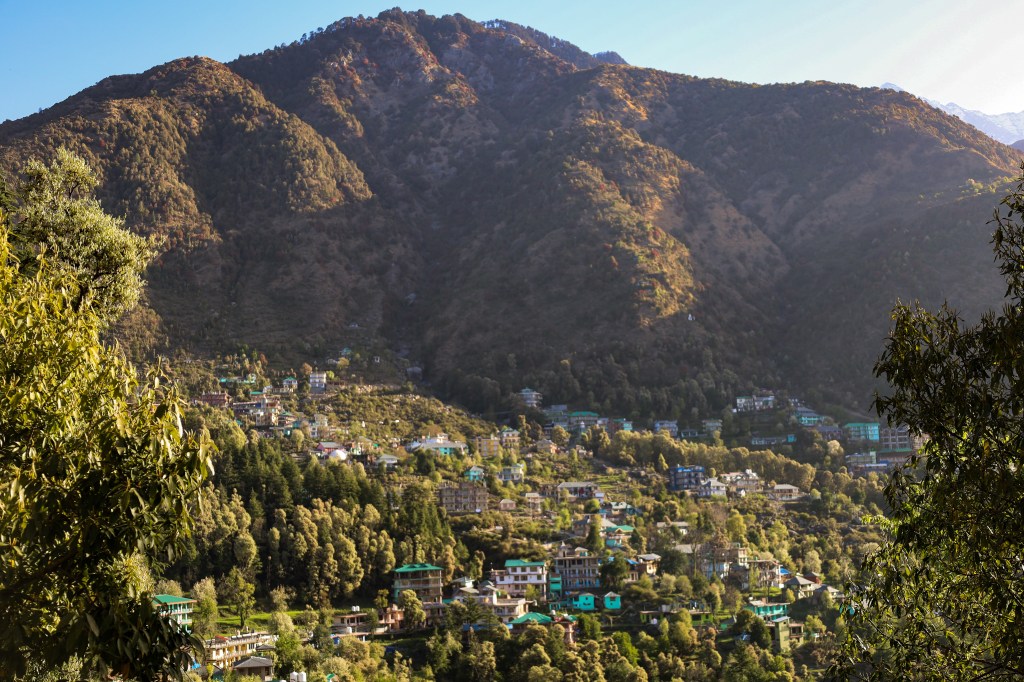
Dharamkot is a small mountain village. It’s about a half mile and a 700 foot climb from the main square in McLeod, and a totally different vibe. Mainstreet is just a foot path edged by little cafes, shops, and guesthouses.


It’s surrounded by towering pine forests and mountain pastures filled with wildflowers. Tushita Meditation Center and Dhamma Sikhara Vipassana Center are located on the southern edge; little islands of tranquility where you can quiet your mind and listen to your heart.

Lower Dharamkot, with its crystal shops, yoga studios, vegan eateries, and tattoo parlors has a definite hippie vibe. Climb the boulder-strewn paths to Upper Dharamkot and the guesthouses are a little more remote. If you’re looking for solitude, Upper Dharamkot is the place.

The climbs are a challenge at first, but you get acclimated pretty quickly. After a month of some serious stair-stepping in McLeod, I settle into a place in Lower Dharamkot close to the cafes. I take a corner apartment in a tall building with two walls of windows and views of the entire valley.
I spend mornings meditating at Tushita or walk to Bhagsu for yoga, and I return to McLeod every afternoon to study the Dharma.
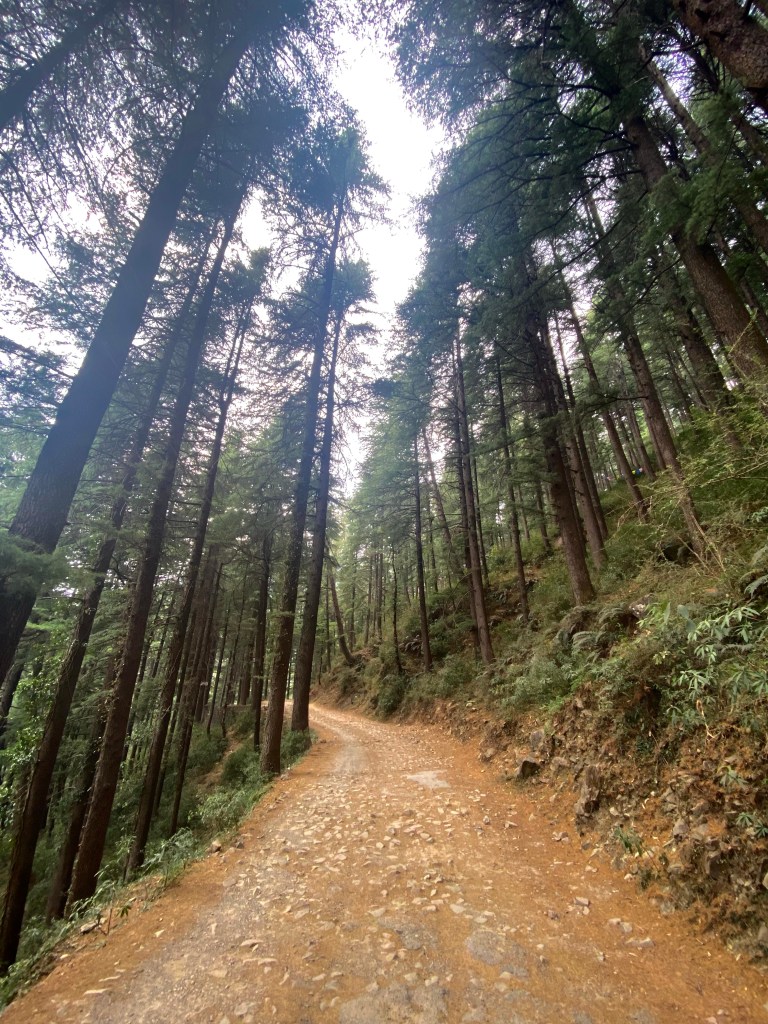
Dharamkot is a pretty idyllic spot, but it’s also known as “Tel Aviv if the Hills”. During the high season, it’s inundated by Israelis – mostly 20-somethings, fresh off of their military service. A revolving cast of them move in and out of my building, and none of them have much regard for anyone else staying there. After a month of late night parties and fitful sleep, I decide to move again.
Bhagsu Nag
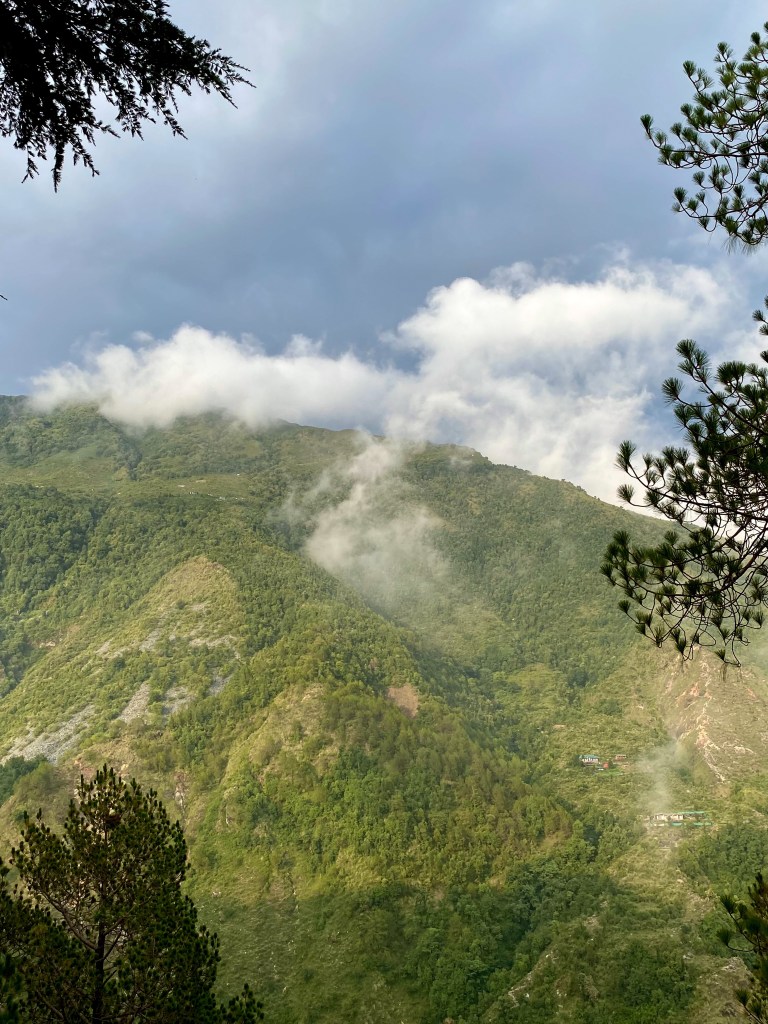
Bhagsu Nag is a happy medium between McLeod Ganj and Dharamkot. It’s not as chaotic as the former, nor as remote as the latter. There are tons of great restaurants and the vibe is similar to Dharamkot, but the crowd is decidedly more adult.

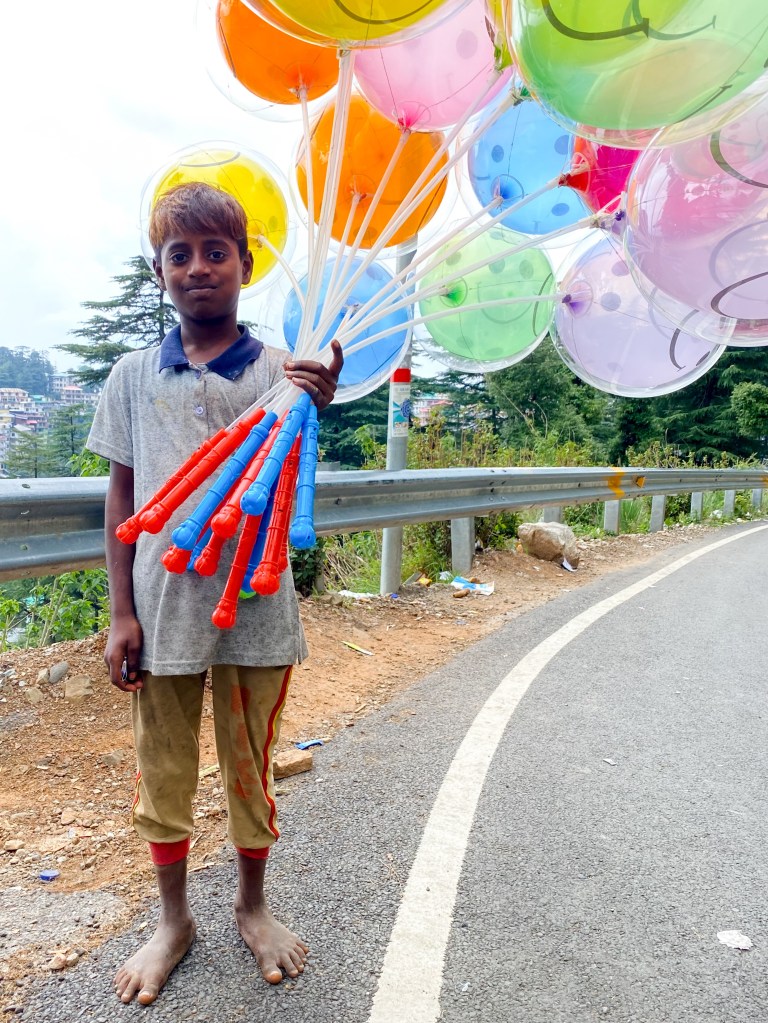
With summer in full swing, the hill stations are as an escape from inferno that is summer on the Indian plains. People travel all the way from Delhi and Chandigarh to catch a few days of relief and maybe a raindrop or two.

The Bhagsu Waterfall is the most popular draw in town. Beyond a labyrinth of tourist shops and dhabas, a paved pathway leads up to the falls. The path follows a stream lined with little chai walas and snack shops. At the top you can grab a bite next to the falls at Shiva Cafe and look out over the whole valley.
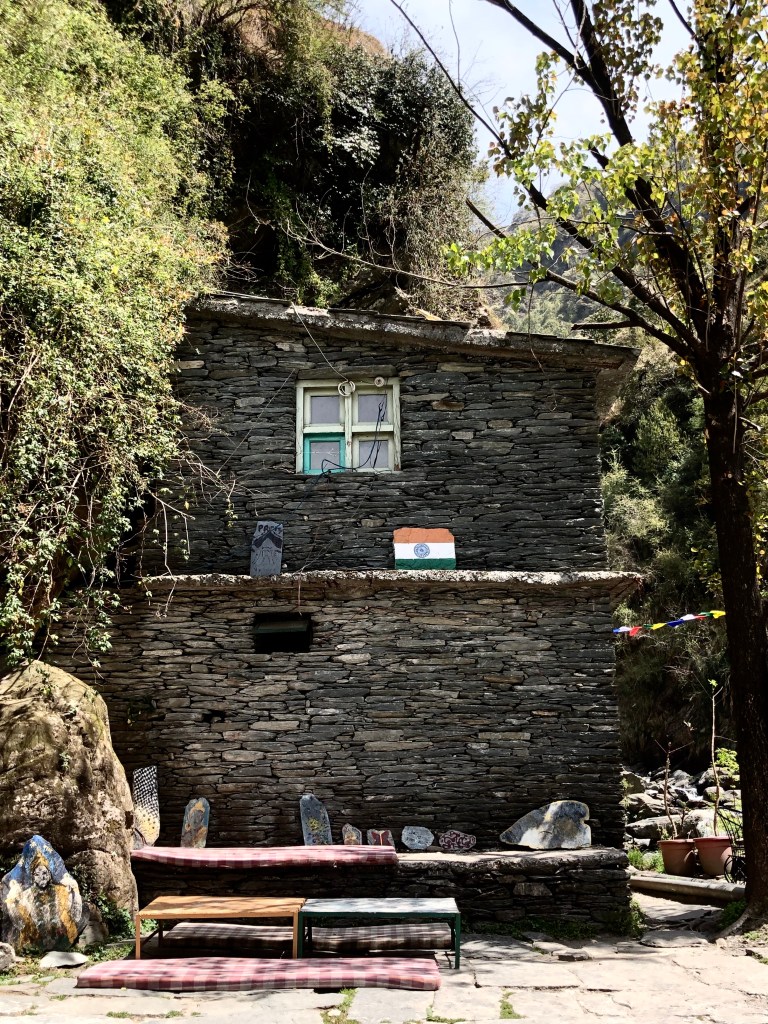
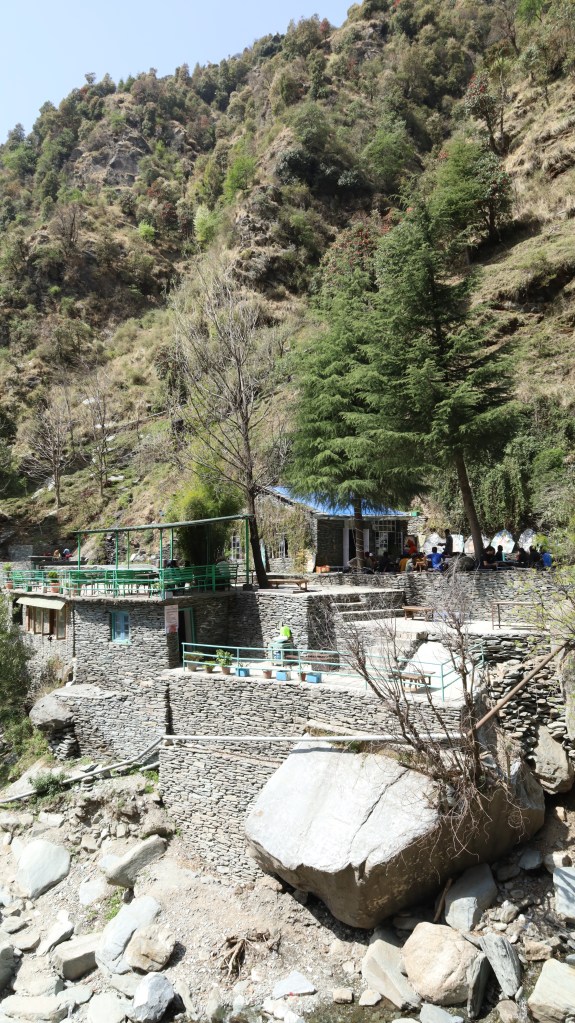

At the base of the walk, there’s a Shiva Temple with a spring fed swimming pool. The water is bracingly cold, and on hot days I join the crowds of raucous Punjabi men splashing about. The area around the temple and the falls draws crowds, but walk five minutes up the hill and everything is copacetic.
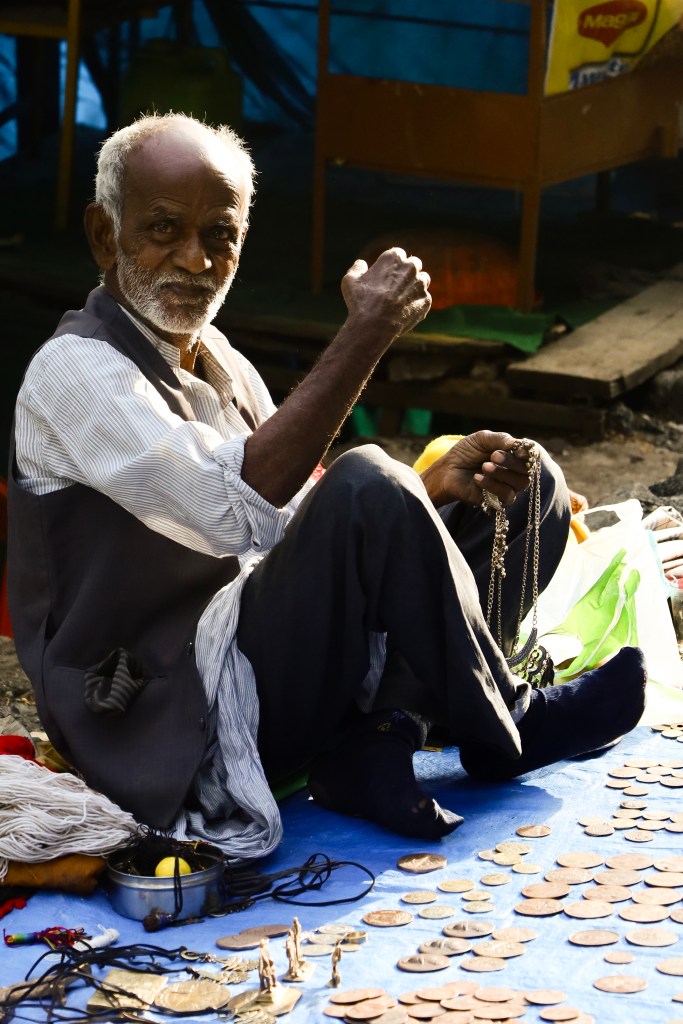

There’s always plenty going on – workshops, classes, performances. I continue with my yoga practice, meditation, and Buddhist studies, and join a satsang studying Kashmir Shaivism. In the evening, there’s kirtan, ecstatic dance, sound baths, cacao ceremonies, and some incredible live music – all the hippie shit that I love.
My Teachers
I spend a good deal of my time in Dharamshala as a student. I study Tibetan Buddhism: first with at a library built by the Dalai Lama and then with a smaller sangha under the tutelage of a particularly special Rinpoche.

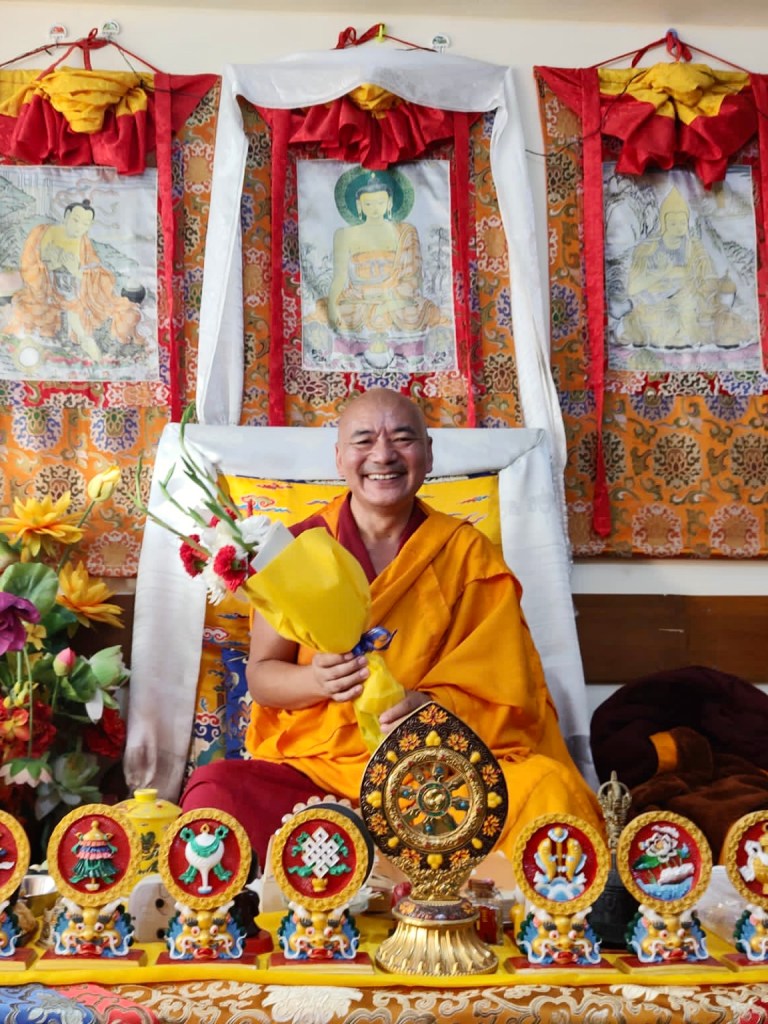
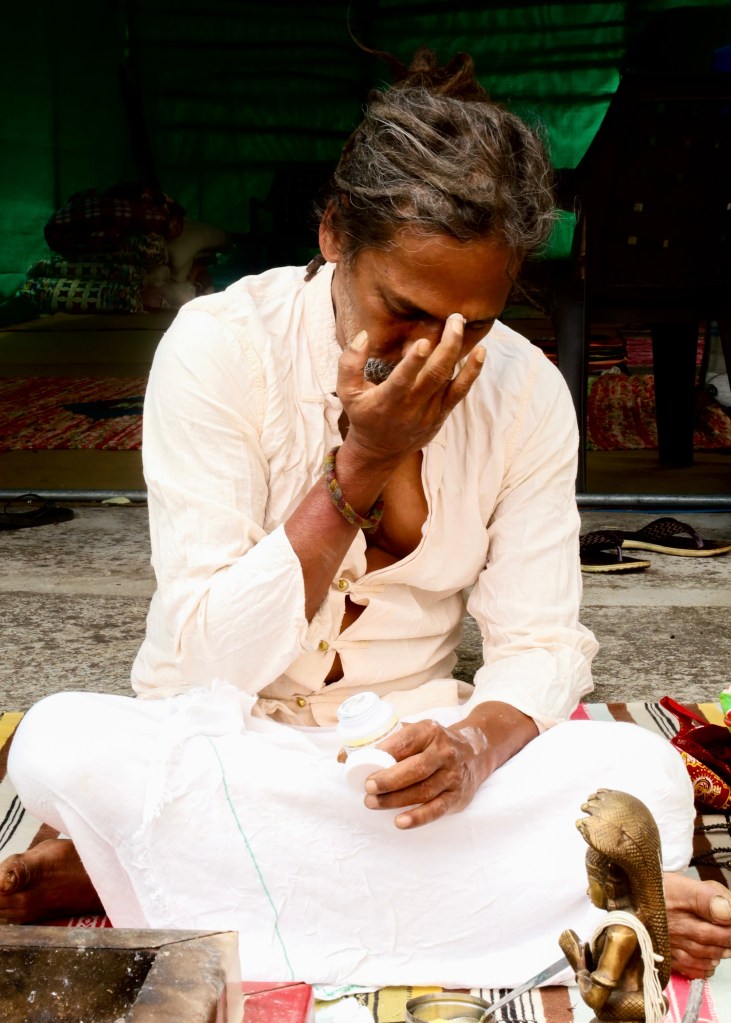

I practice yoga in a valley shala with Baba Krishna and study Kashmir Shaivism in a dome on the mountainside with Swami Brahmananda.

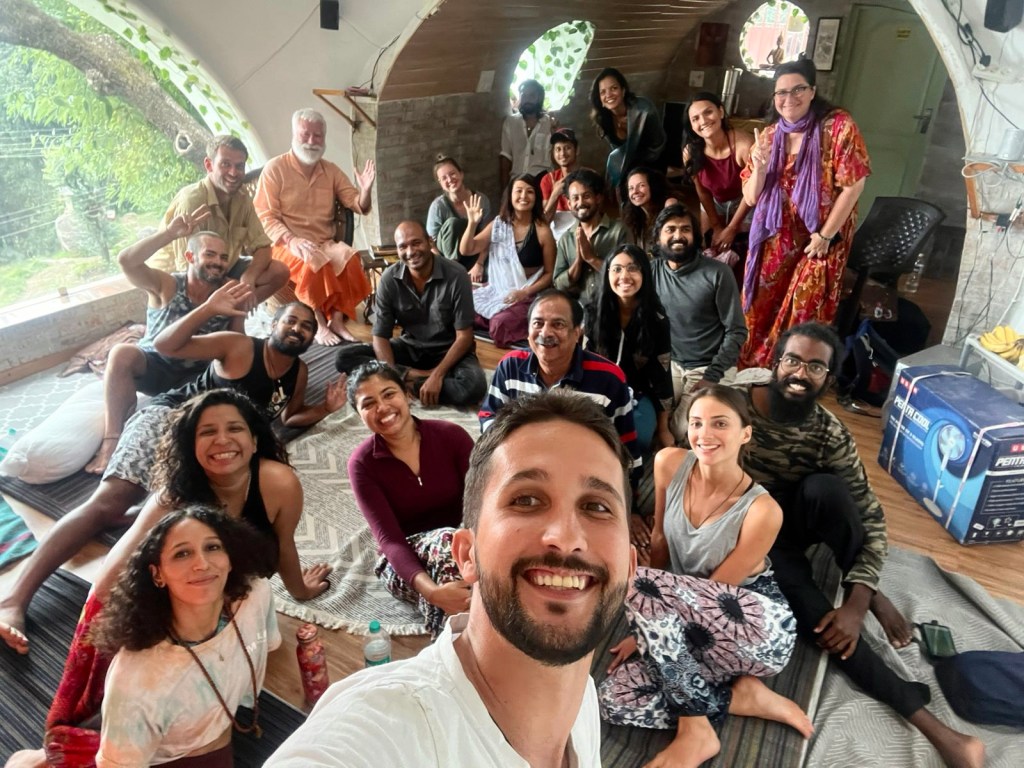
Dharamshala is this unique crossroad of spiritual traditions. The austerity of the Himalayas has always drawn ascetic wanderers. With the arrival of the Dalai Lama, Tibetan Buddhism followed.
Here, yogis practice asanas and pranayama. Healers blend energy and sound. Light workers tap into the ether. Meditators observe the mind. Bhakti sing. Monks chant. And seekers come to bathe in it all.
By the third week of June, the monsoon rains begin. Dharamshala is the second wettest place in all of India, the first being the wettest place on Earth. The storm clouds that barrel across the planes get caught up on these mountains and just hang about.

Often the rain starts before I wake up in the morning and doesn’t let up until after dinner. Other times, a fog rolls up the valley and wraps everything in mist for days at a time. The sheer volume of water is impressive, but eventually it’s too much for me.

After a couple of weeks, the lack of sun starts to get to me. My satsang decamps to the plains and a covid scare suspends my afternoon sangha. Everything is so damp that my laundry won’t even dry. In early July, with little to do and lots of mildew, I decide to move on.
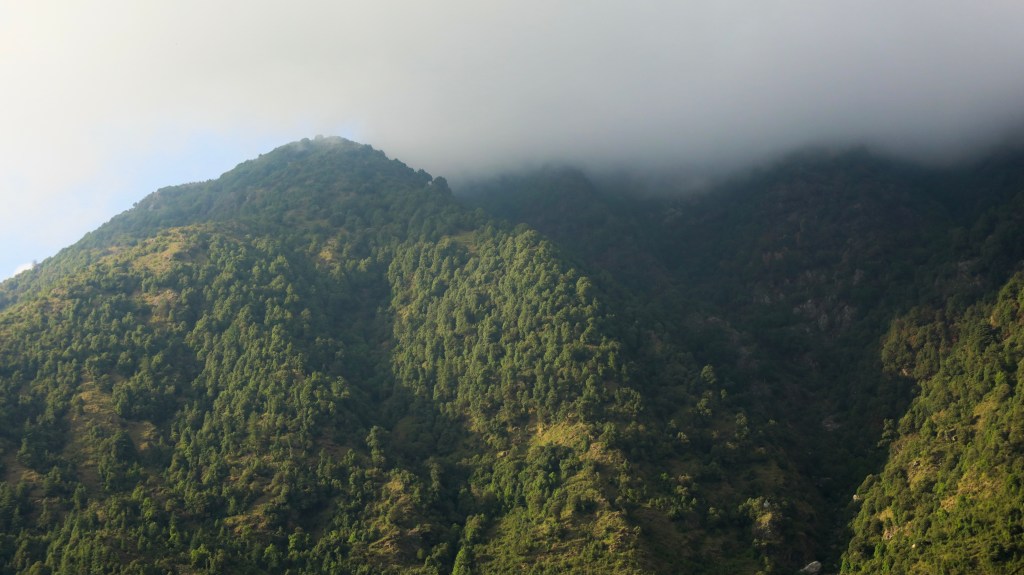
It’s bittersweet to leave Dharamshala. I’ve grown comfortable here and met some amazing people. There’s a real sense of community and lots beautiful things going on. It’s never easy to say goodbye, but I know that more adventure lies ahead.
Diversions
Trek Triund
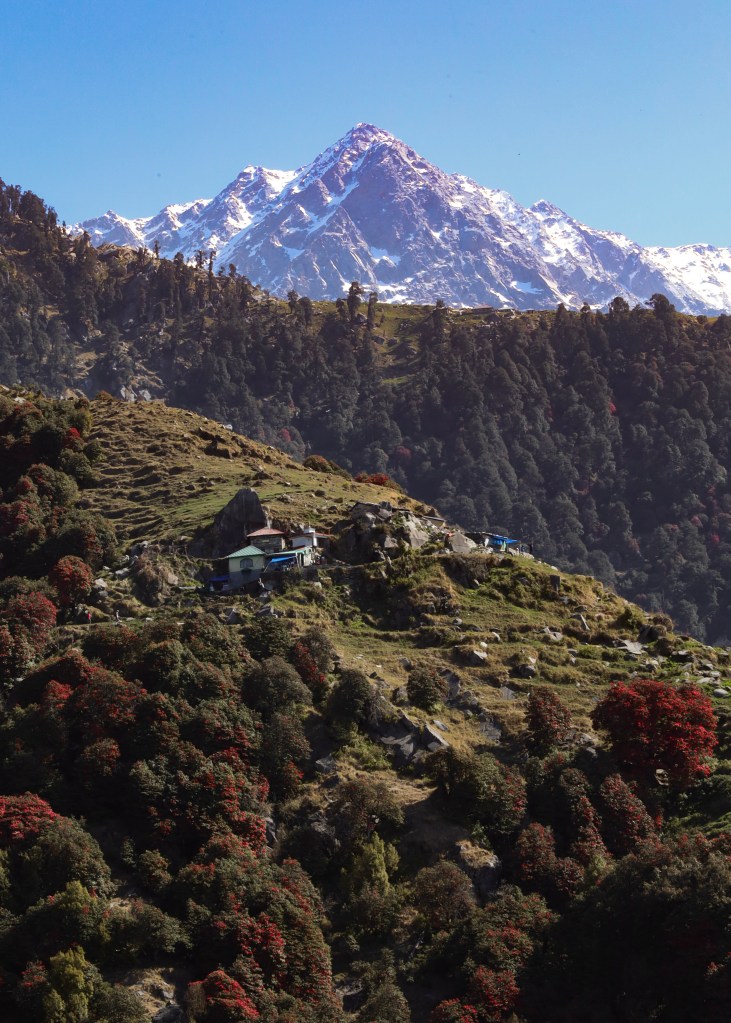
The Triund Trek is the most popular outdoor activity in the area. You really can’t come to Dharamshala for an extended period and not do Triund. It’s an easy trail as far as Himalayan treks go: a gradual incline until the last kilometer, which rises pretty abruptly over 22 switchbacks.

At the top, a grassy saddle sits 3000 feet over Mcleod Ganj. The views are incredible. The Kangra Valley spreads out on one side and the snow peaked Dhauladhar mountains reach skyward on the other.
You can rent a tent with a sleeping bag and mat for 600 INR ($7.25). The star gazing is phenomenal and the lights of Dharamshala look like a nest of Christmas lights below. There are little tea shops that sell rice and daal for dinner, but not much else. Be sure to pack warm clothes!


Walk in the Woods
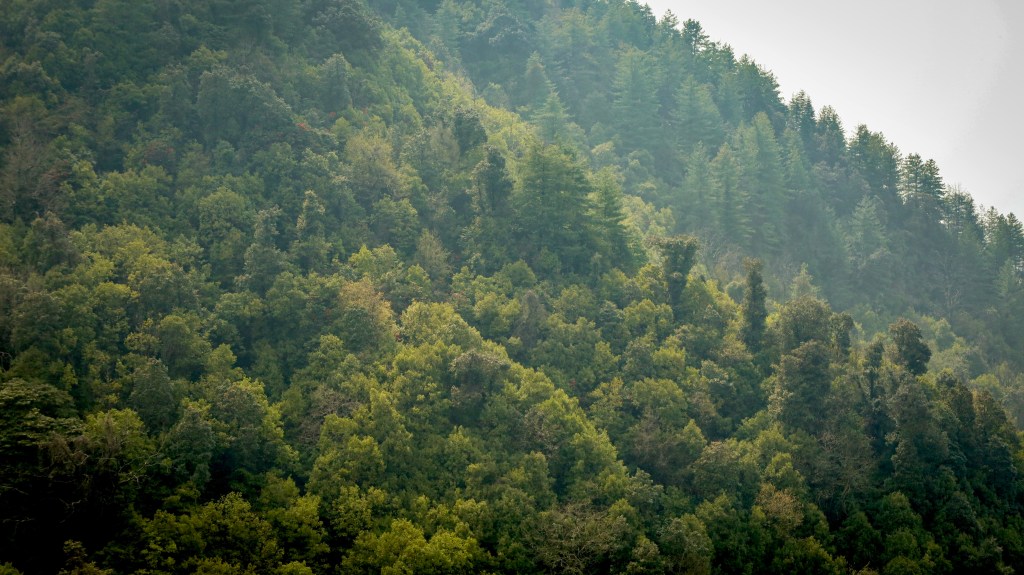
Walk in any direction, and you’ll end up in the forest.
Gallu Temple, the official start point of the Triund Trek in Upper Dharamkot, is a sort of intersection for some great walks. Head northeast to get to Gallu Waterfall or due north to Adventure Cafe where you can have lunch in the middle of a stream.


Flag Temple is just west of Dharamkot. It’s not a proper temple, but a cathedral of trees with tens of thousands of Tibetan prayer flags and carefully stacked cairns. There are a few stupas and small huts where monks and nuns spend time in silent self retreat – some for years at a time. It’s a perfect place for introspection. Beyond Flag Temple is Naddi, a picturesque little mountain village with great views of the Himalayas.

Go for a Glide
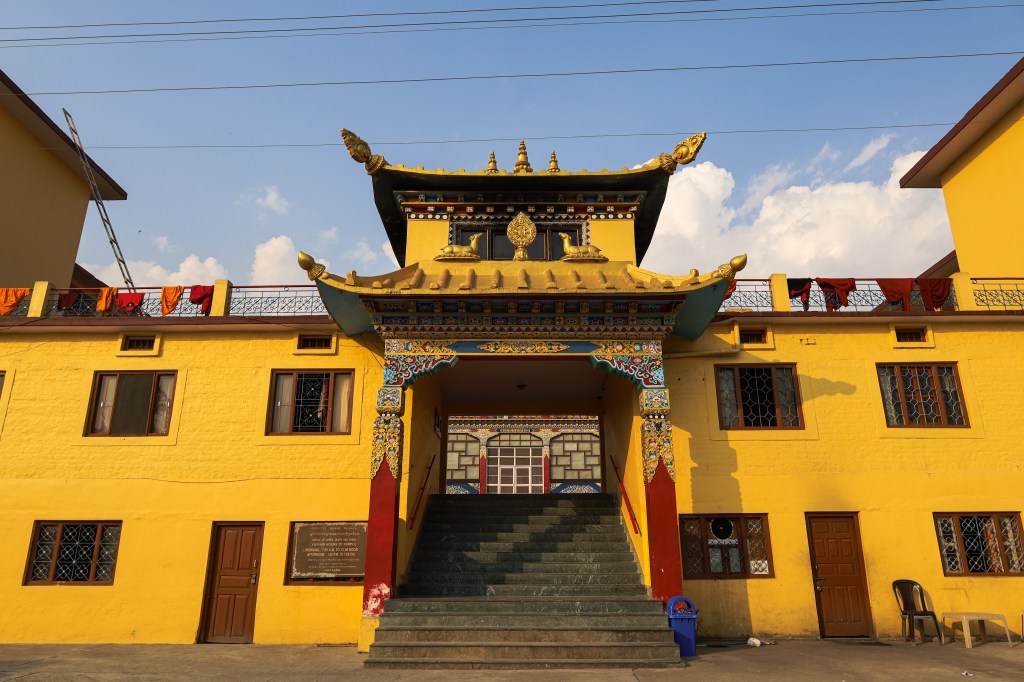
Forty miles southeast of Dharamshala is the town of Bir. It’s a small town of Buddhist monasteries and forest waterfalls. It’s home to the famous Deer Park Institute but best known as a mecca for paragliding. Bir is considered the best spot in all of Asia for the sport and the second best place worldwide.
If you go to Bir, you need to glide.

The truth is that paragliding just reopened a few days before my visit. Officials closed the whole thing down for a month after a series of tragic mishaps. In my estimation, it’s the safest time to jump.
It’s definitely more ramshackle than gliding in the west though. I just show up, scrawl my name on a piece of paper, and I’m good to go.
The ride up is a nail biter. It’s a high speed climb around blind curves on a single-lane dirt road in an economy car – and I don’t scare easily.
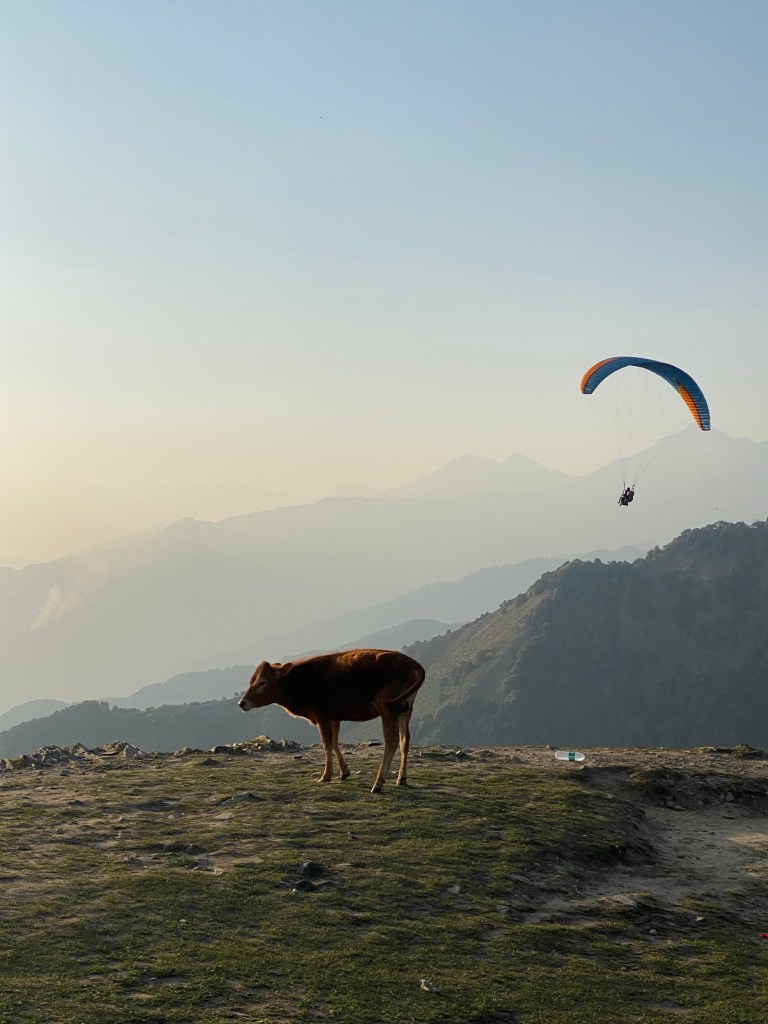
The jump sight is sort of a free for all. Bright sails spin in the sky over the broad, treeless expanse and more leap into the air every minute.
Getting off the ground is a little unnerving. My pilot, Hondo, doesn’t speak much English. I can’t clear up whether, as we run towards the edge, we jump on “THREE” or after “THREE”. It doesn’t help when we abort the first attempt mid-run.
Once we achieve liftoff though, it’s all very peaceful – just the sound of the wind in the sail and the quiet of the forest below. We do some acrobatics and steady out over little mountain villages with terraced gardens.
Hondo calls out over one of them and the people shout back and wave. It’s his family and this is his village. You won’t find that paragliding in the west.
As we near the landing sight, the peaks of the monasteries in Bir punctuate the skyline below and the whole valley is bathed in golden light.
Incredible India indeed.

Paragliding in Bir costs only 3000 INR (less than $40), including a GoPro to record all the action. It’s a total steal. (The same sunset glide will cost you $570 in Sun Valley, Idaho!)
Check out Paragliding in Bir Billing for a safe and thrilling experience. And make sure to ask for Hondo!
Take a Retreat
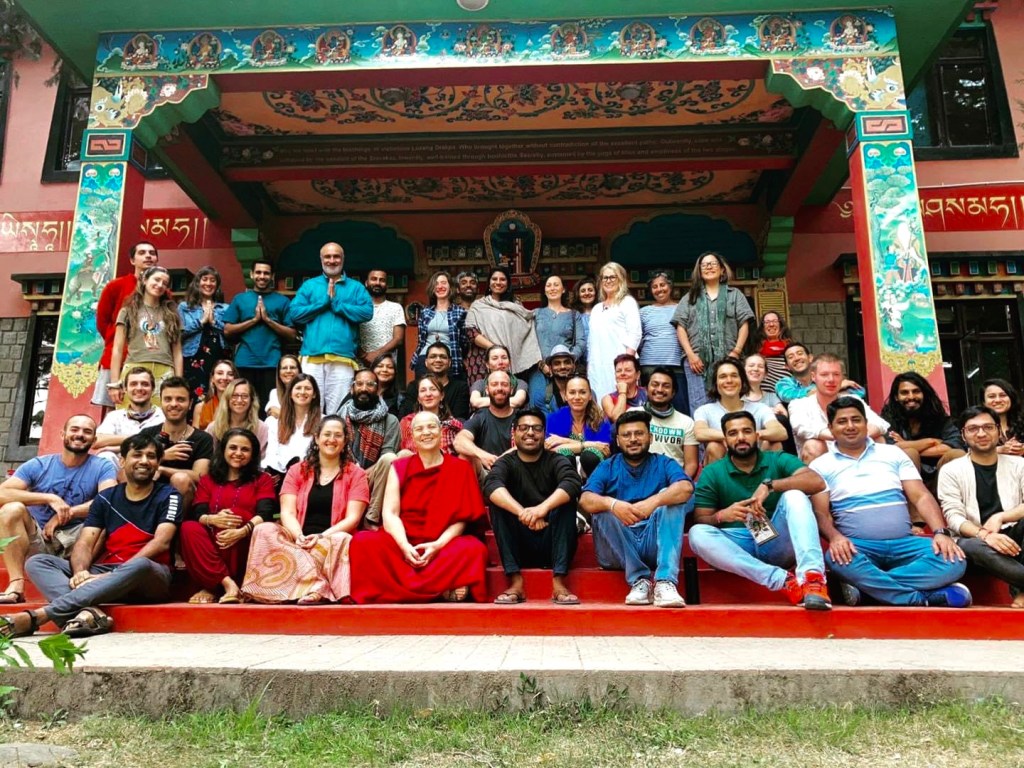
Tushita Meditation Center is a renowned place for the practice and study of Tibetan Buddhism. The center offers both 3-day workshops and longer 10-day residential retreats for people of all backgrounds to learn more about the tradition. In the mornings they also offer drop-in meditation. The campus is beautiful, the instructors are great, and the food is outrageously good.
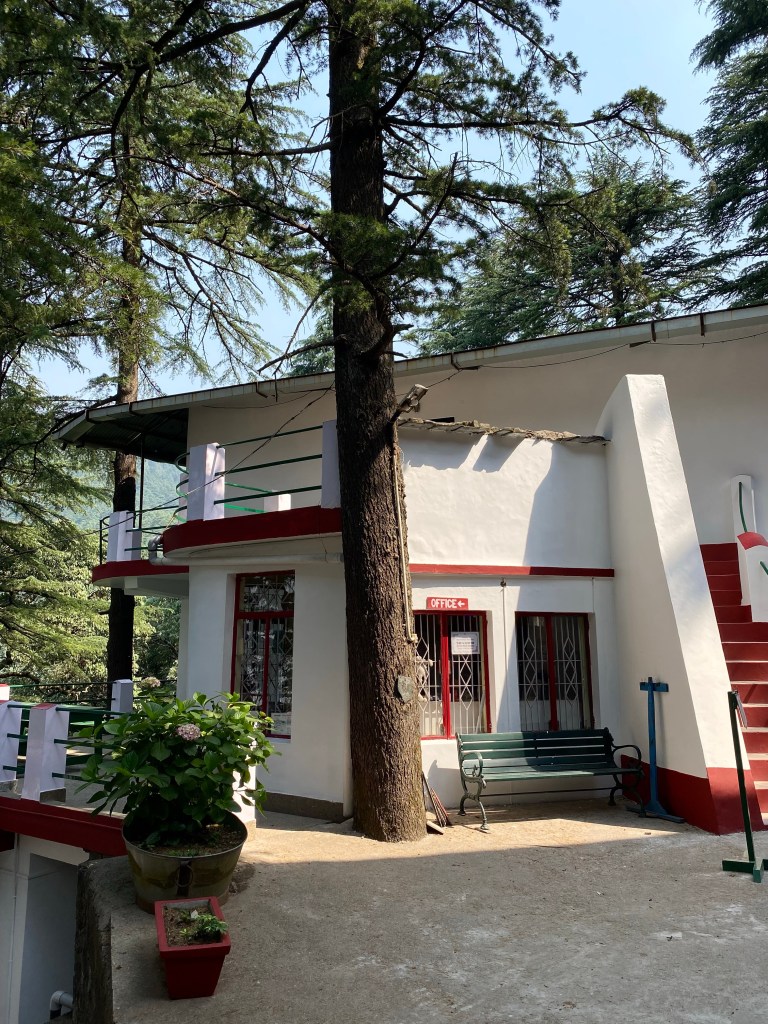
For those interested in taking their practice to the next level, Dhamma Sikhara Vipassana Center offers the traditional 10-day silent meditation in the style S.N. Goenka. Vipassana is a more serious undertaking, but should definitely be on your bucket list.

Best Bets
For Yoga…
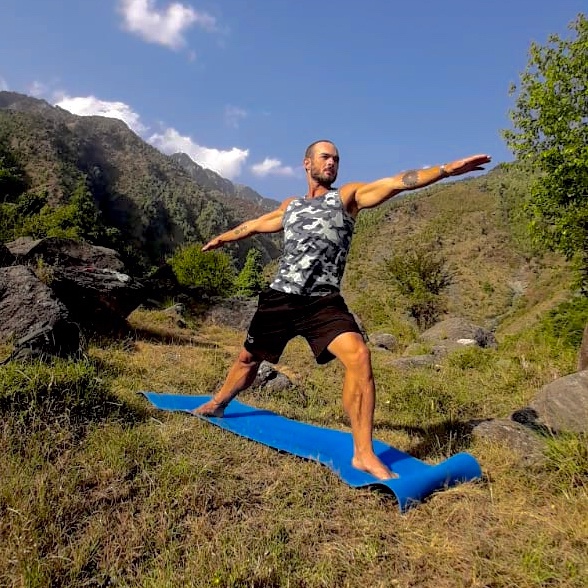

Aranya Yoga is located in Lower Bhagsu. When I first arrived there wasn’t much yoga to be found. I dropped in on a recommendation from a friend in Rishikesh and for a little while it was just Baba Krishna and me. He’s the real deal – a genuine baba who teaches the asanas and the philosophy. He’s also my first friend in Dharamshala. We have lots of laughs and I can’t wait to return to that rooftop in the valley.

I discovered Raj Yoga School in Arambol, Goa, but they also have a studio in Bhagsu during the warm months. The practice is intense, but that’s why I love it. I really upped by game with them in Goa.
For Cheap eats…
Mcleod Ganj
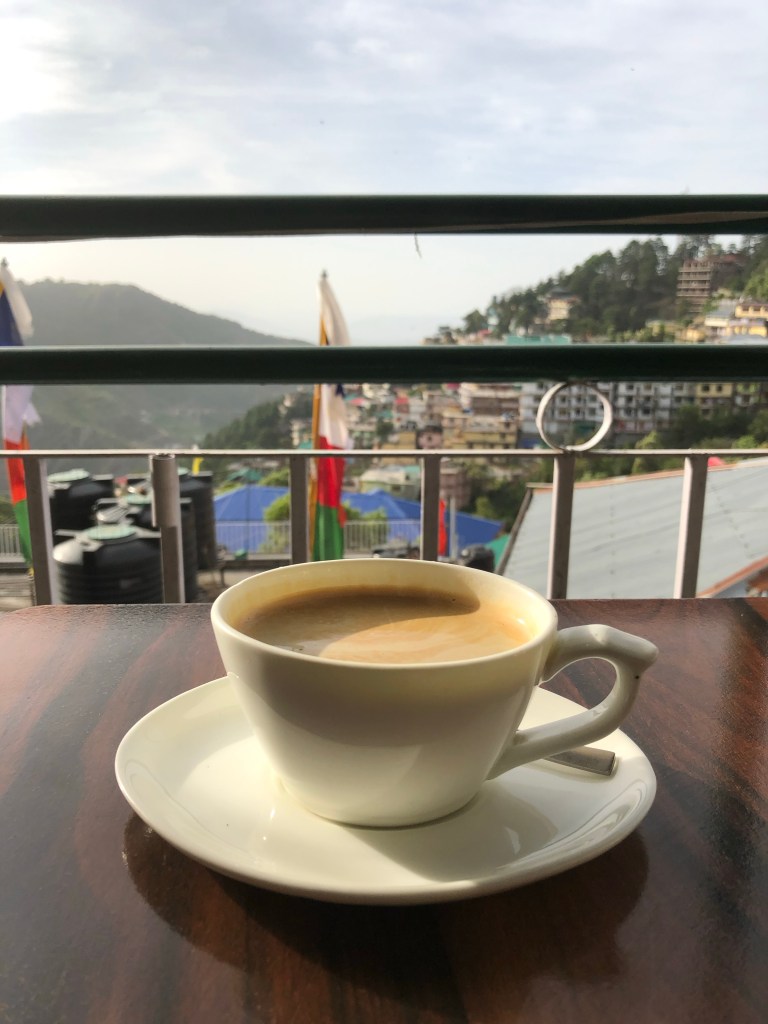
Peace Coffee: great cup of coffee with awesome views. The Veg/Cheese omelet is solid. Be sure to get a side of toasted Tibetan bread – it’s a giant English muffin!
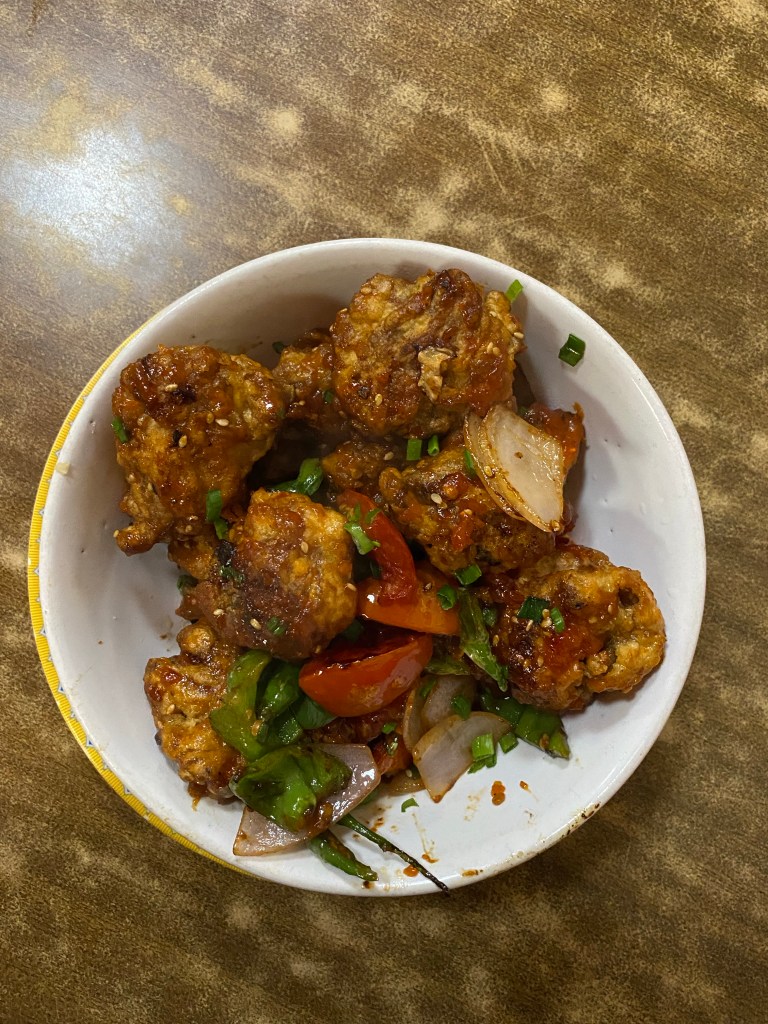
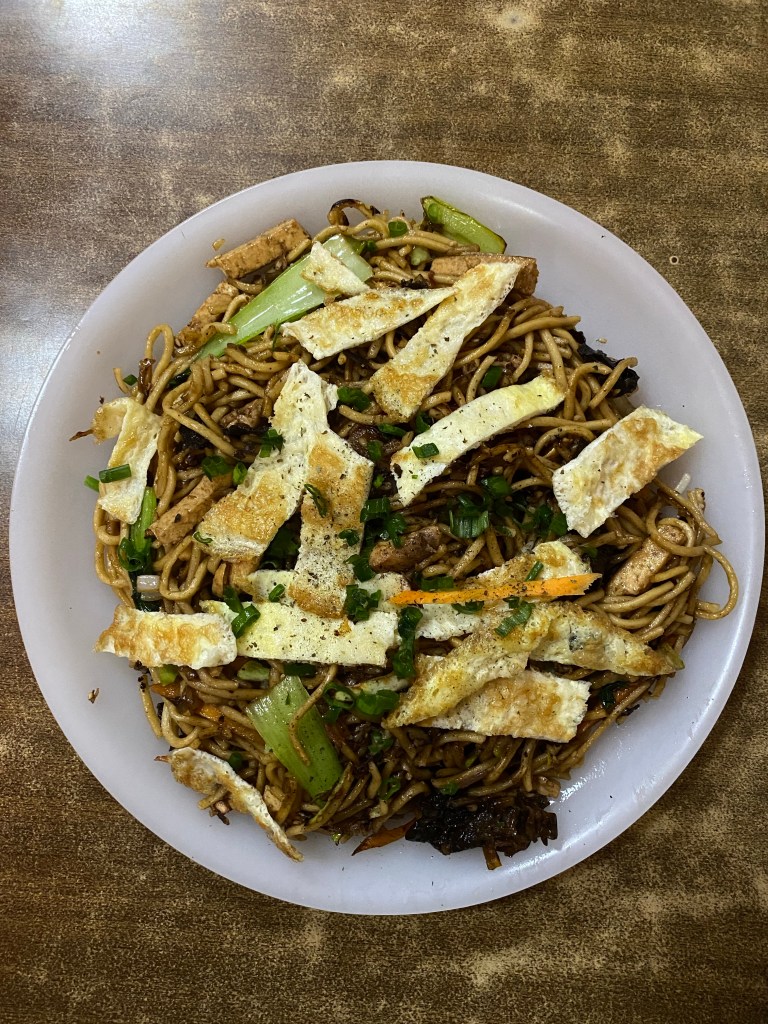
JJI Exile Brothers Mom’s Kitchen: great little restaurant run by a lovely Tibetan mama. The Chilly Chicken is hands down the best anywhere and the Special Chow Mein very special.

Kalimpong Restaurant is tiny place with THE best Tibetan food in town. The thentuk here is tops. Try the mutton momos and Bok Choy with Tofu – both are totally legit.
Namgyl Cafe has the BEST pizza in McLeod. Snag the Popeye and add Roquefort cheese. You’re welcome.
Dharamkot

Open Heart Cafe has great coffee in the middle of the village. The owners, Manish and Rohit, are my boys. In the winter months I track them down in Arambol, Goa.

Lhasa Tibetan Kitchen is is basically my commissary in Dharamkot. The Dry Chicken Thukpa is great – think chicken stir fry with fat, hand-pulled noodles.

Buddha Delight is another of my favorites.
Bhagsu

For coffee and chill, Nature Twins Cafe is my go-to. It’s open and airy with two levels of seating and good coffee.


Chilly Beans Cafe is a cool spot. Sit on the floor cushions at low slung tables and try the chicken schnitzel – one of my favorite dishes in town.

For a thali on the cheap, head to Meeting Point Cafe and Dhaba. They have a veg or a meat option (chicken or mutton). It’s no frills but the food is good and it’s dinner for $1.50.

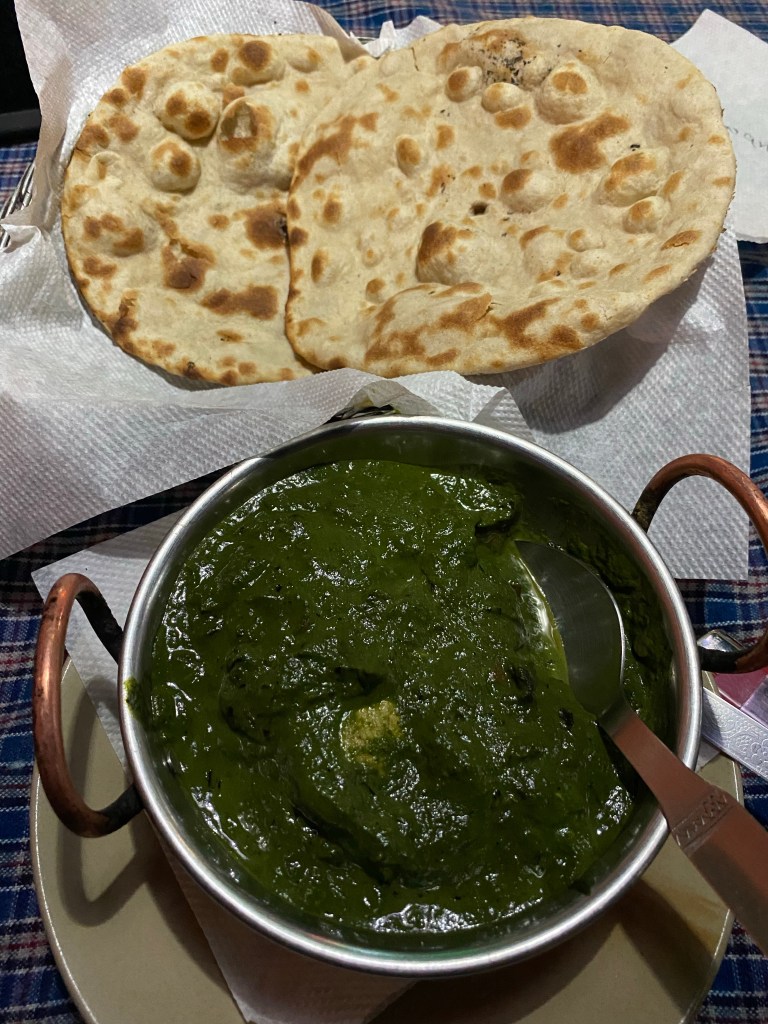
The Old German Bakery is my favorite all around restaurant in Bhagsu. Nothing sucks. The chicken curry, chicken saag wala, the sizzler – all awesome. Their chapati is the best in Dharamshala. Finish with a slice of the apple pie!

 Christopher’s Travels
Wonderful!!! Well written with superb photography.
Thank You
Wow!!
I am so impressed!! You are truly seeking God and it is apparent He is answering you back. Cherish these times!
I am very proud of you, Chris!
Unca Tom
Indeed! Thank you!
Indeed! Thank you 🙏🏼